
Design system lead and product owner, working across design, engineering, product, and brand stakeholders.

Enterprise design system
Beehive Design System & AI Innovation
A shared product language that unified product experience, delivery, and AI innovation across a complex global organization.
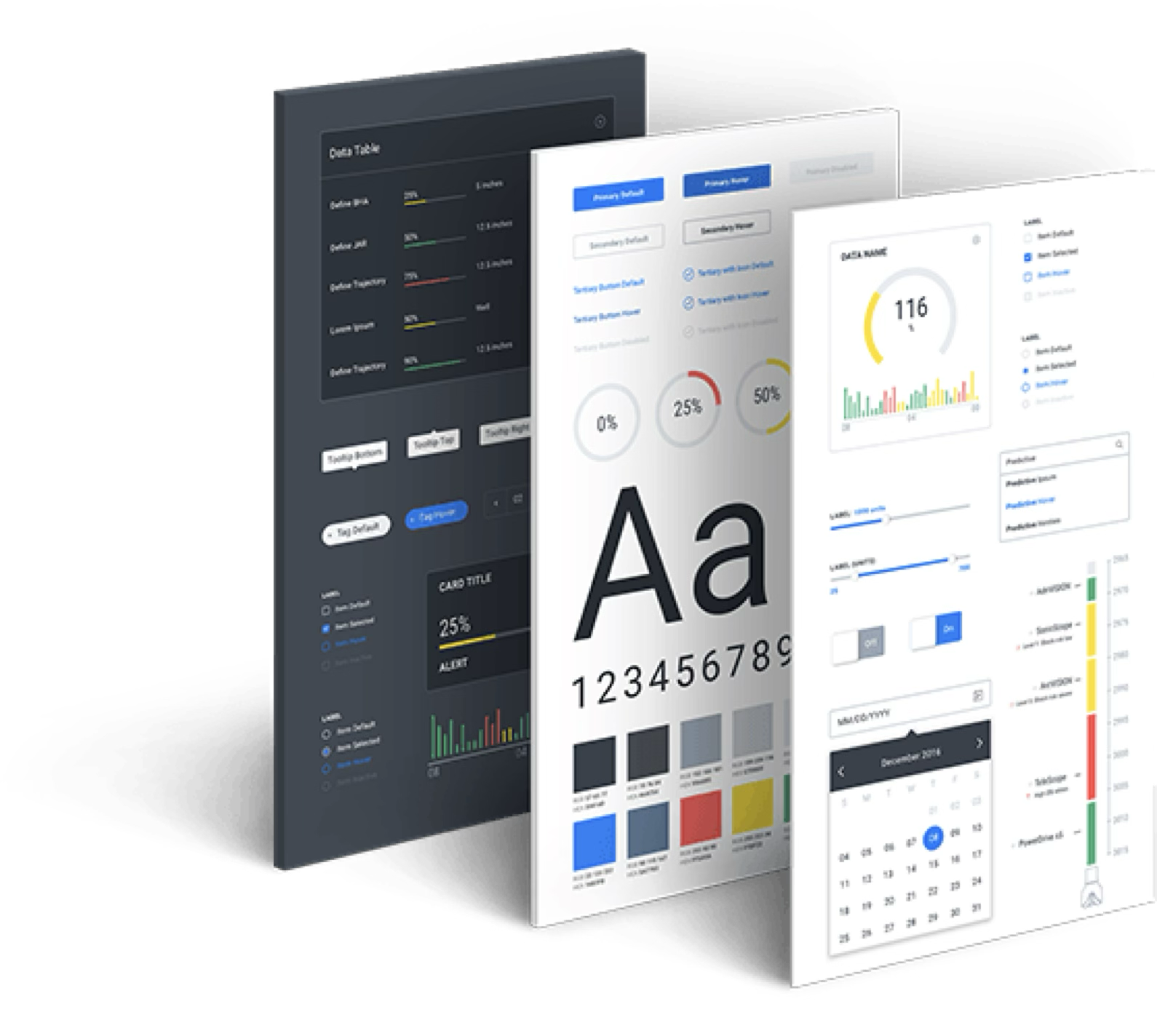
Beehive brought fragmented enterprise interfaces into one system of shared foundations, reusable components, contribution practices, and adoption support. I led design production and communication within the core team, helping the system become part of daily product work for three years.
- Led system design production and communication.
- Built the contribution and consumption model.
- Supported teams adopting the system across products.
200+ people working with the system across 20+ projects, supported through a three-year adoption program.
Challenge
Transformation
Design Transformation
Product teams were shipping fragmented experiences because design and development lacked a shared language, reusable foundations, and a scalable decision model.
Incremental
innovation
Transformational
innovation
Development-driven
“code-first”
“code-first”
Development + Design
Development + Design + DLS
Approach
Ideation
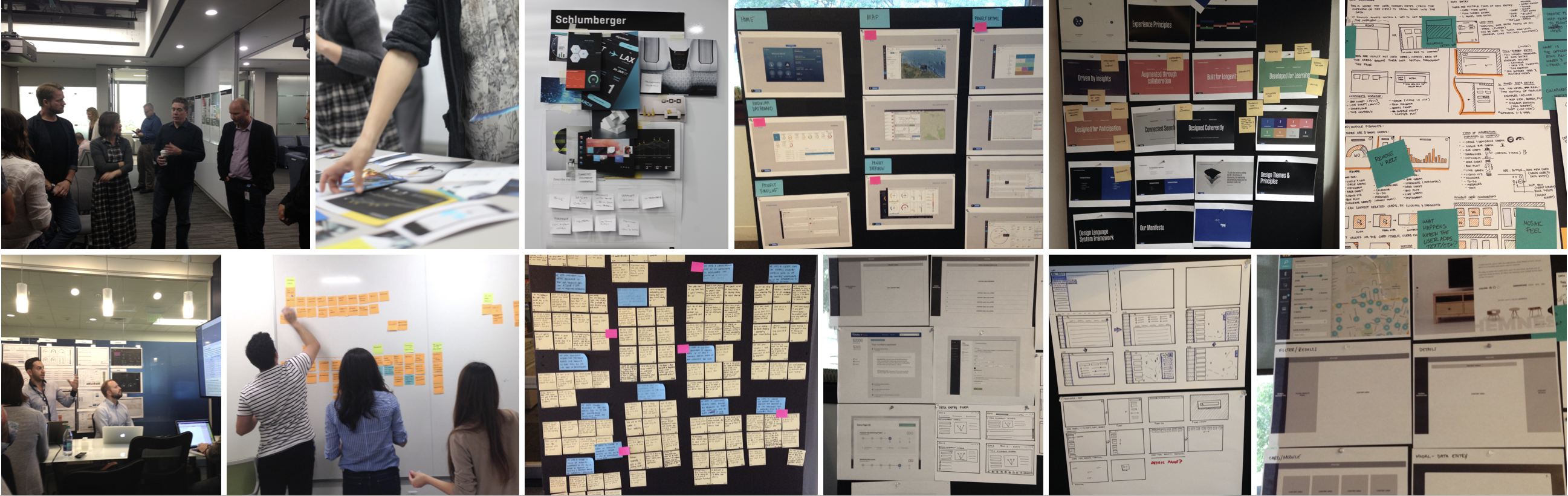
Workshops, stakeholder interviews, product audits, and collaborative synthesis exposed where teams were duplicating effort and where consistency would create the most value.
System architecture
Composition
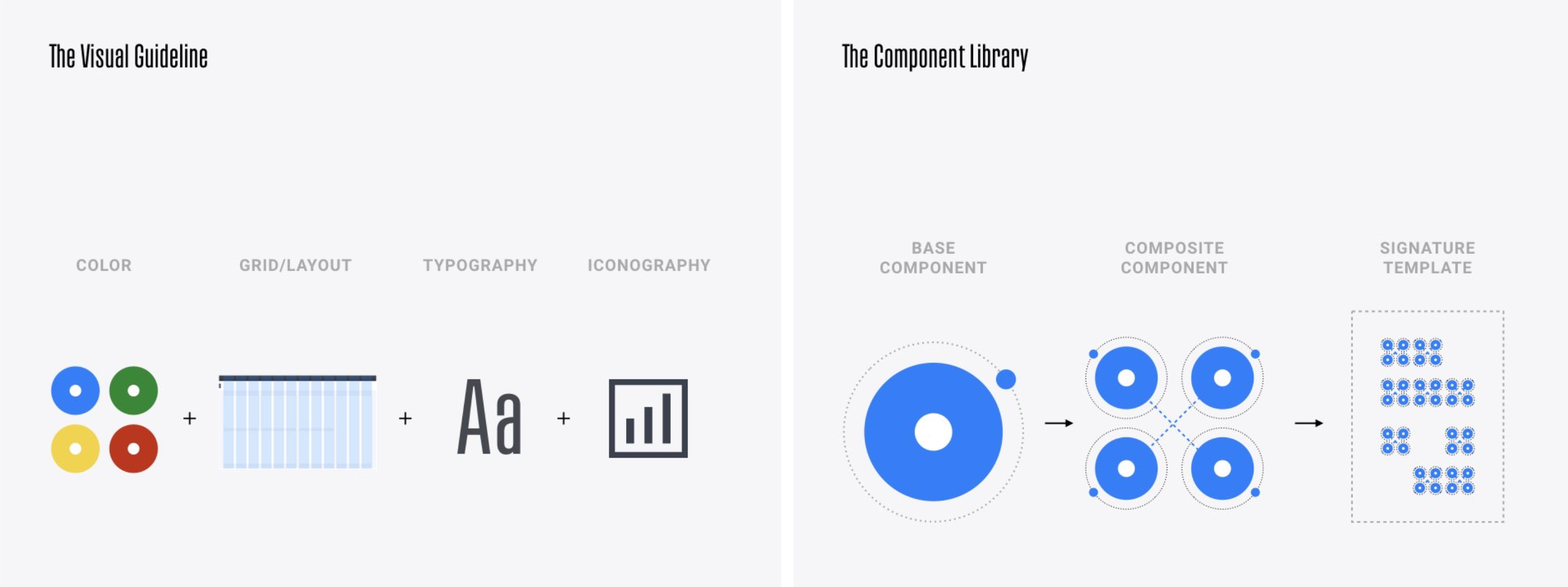
Beehive connected visual foundations, reusable components, documentation, and contribution practices into a shared product-development system.
Product Foundations
Experience Principles
Experience principles, functional attributes, and reusable building blocks connected brand intent with practical interaction design.
Driven by Insights
Surface prioritized information by role, whether system-generated or customized.
- Prioritization
- Focused Attention & Noise Reduction
- Actionable Data
Built for Collaboration
Embed collaboration into workflows so teams can communicate, align, and decide faster.
- Bring Context to the Data
- Single View
- Consolidated Workflows & Process Artifacts
Planned for Scalability
Scale across evolving products, platforms, frameworks, and technologies.
- Convergence of Design Expression
- Feature Consolidation & Process Integration
- Principle-centric UX
Designed for Guidance
Create intuitive, coherent experiences through consistent architecture and interactions.
- Intuitive Education
- Color as Wayfinding
- Architecture as Mental Model
Engineered for Anticipation
Learn from behavior and data to anticipate user needs and adapt to context.
- Anticipating User Needs
- Anticipating Contextual Needs
- Anticipating Environmental Needs
Unified, Not Uniform
Maintain a coherent experience while adapting to each product, device, and touchpoint.
- Adapted to Interaction
- Device-agnostic
- Seamless & Human-centered
Component case
Data Table
The MVP data table was not ready to scale across teams. After launch, teams reported that it could not support the complexity of their workflows or fit critical product scenarios, so I redesigned it as a flexible, scalable pattern that could adapt to diverse enterprise needs.
Responsive design
CROSS-PLATFORM EXPERIENCE
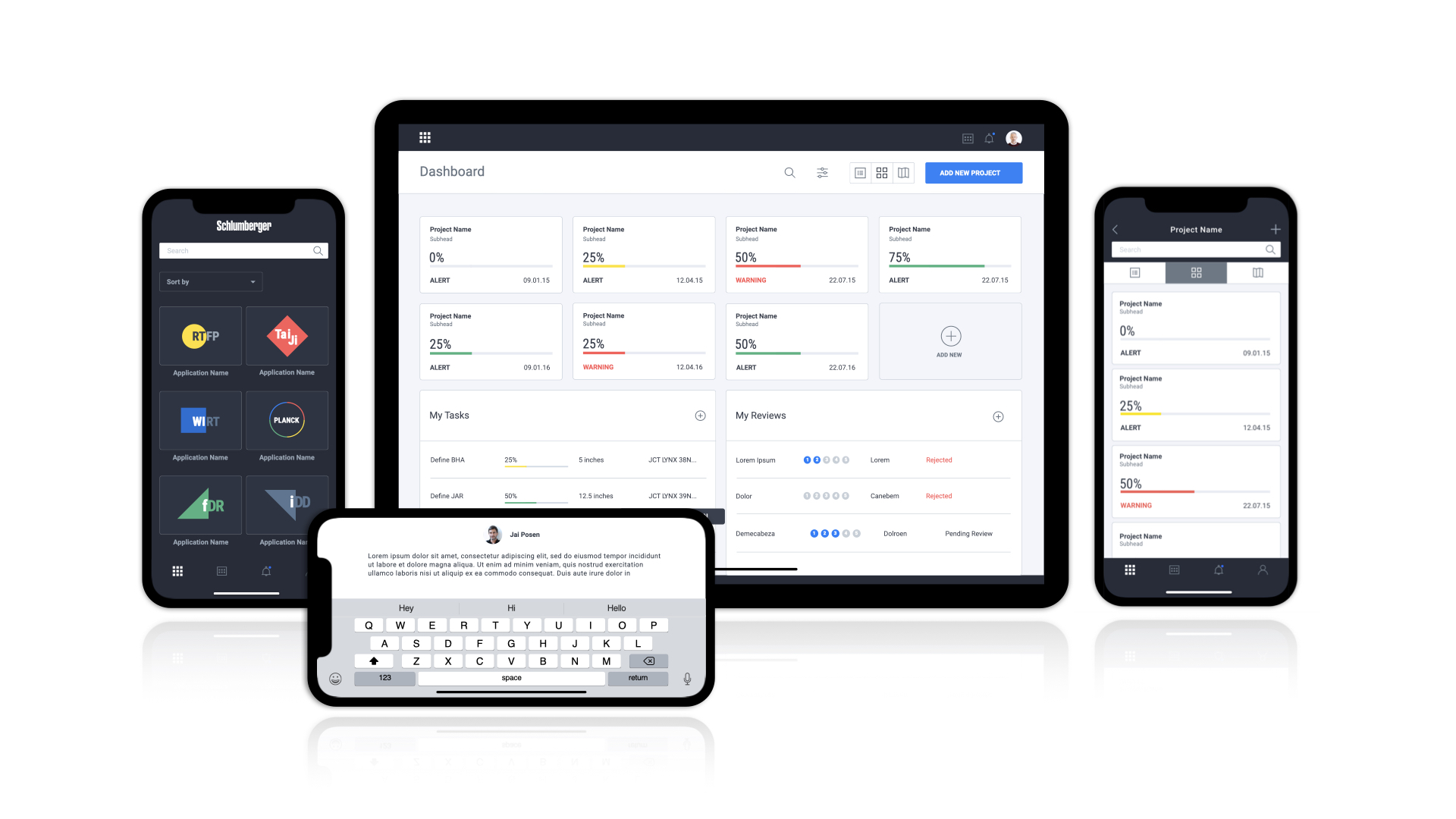
Mobile principles helped teams adapt components across platforms and devices by grounding decisions in users’ real working environments, creating finger-friendly targets and thumb-zone navigation, and using focused, finely tuned motion to guide successful task completion.
Accessibility
Accessibility
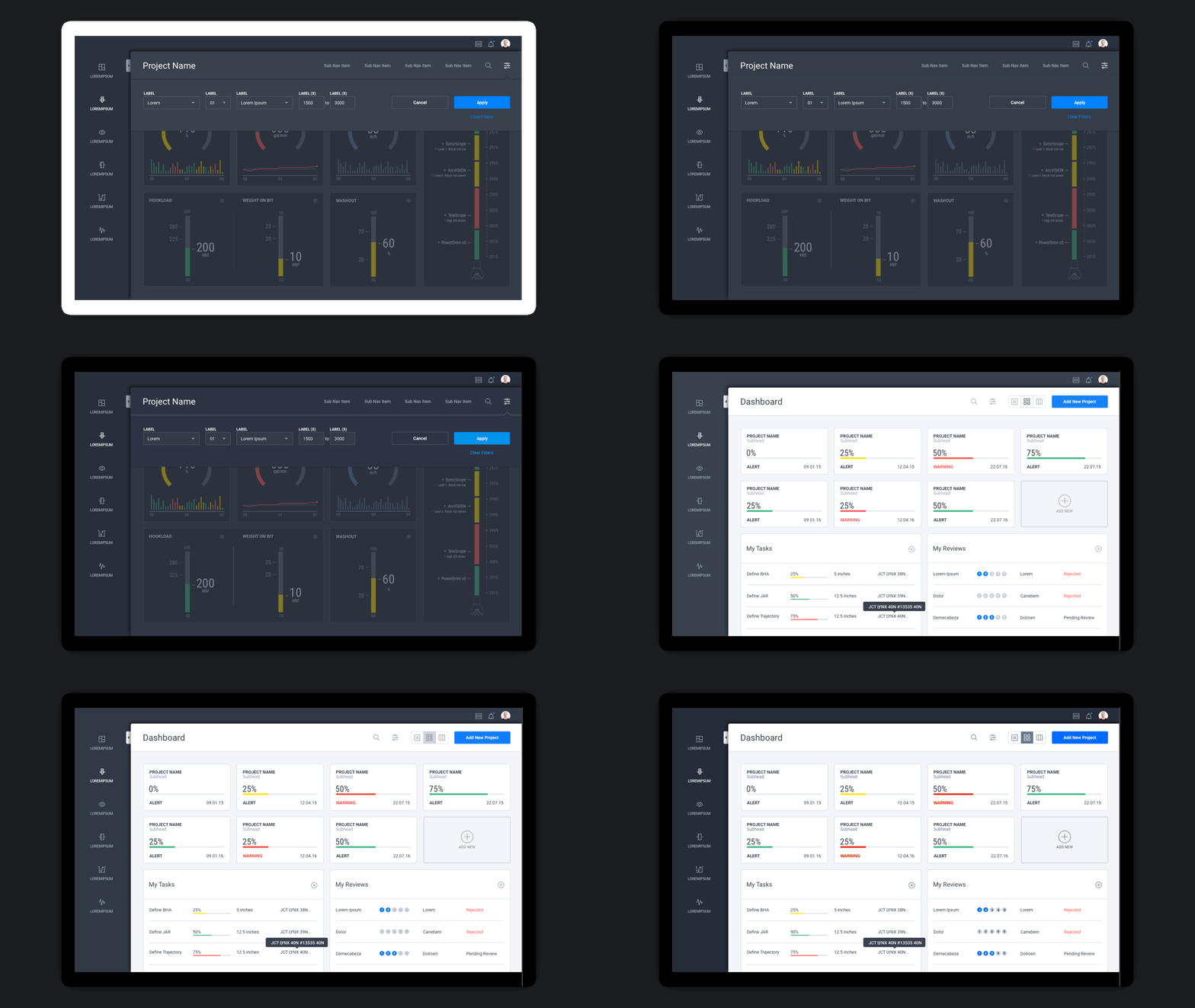
I evaluated color contrast, corrected palette relationships, and documented state behavior against WCAG guidance so teams could make accessible choices by default.
- Contrast guidance for light and dark surfaces
- Consistent hover, focus, active, and disabled states
- Reusable color rules shared with implementation teams
Interaction design
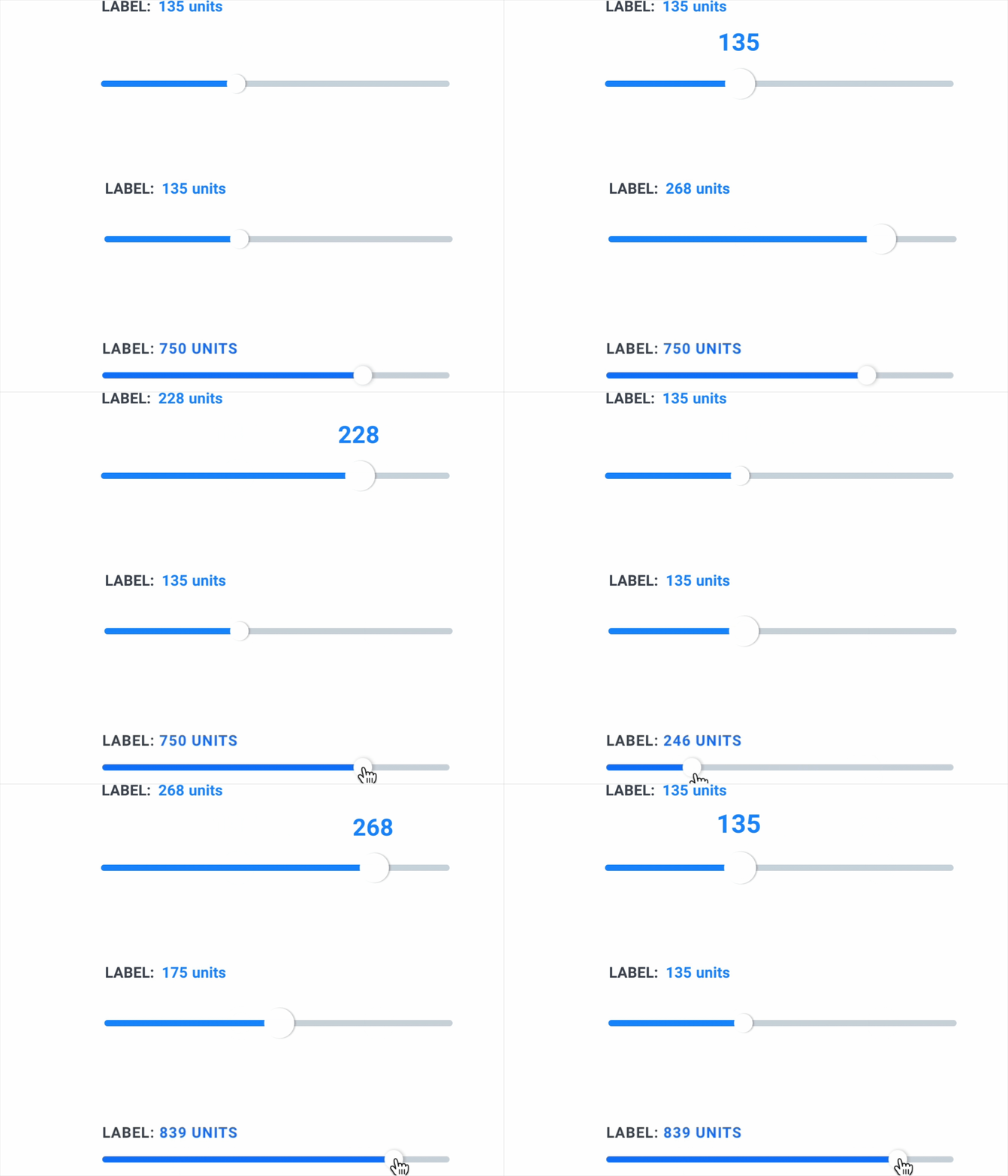
Micro Interaction
Purposeful motion made system feedback clearer while preserving hierarchy, usability, and interaction quality.
Impact
COHESION & EFFICIENCY
Beehive created a durable operating model around shared product decisions, not just a library of finished components.
people connected through a contribution, education, and support mechanism.
projects using a more cohesive product language across the organization.
of sustained consumption support, system evolution, and cross-team collaboration.
Reflection
Trust & Collaboration
Beehive shaped how I approach systems work today: connect craft with governance, build adoption into the product strategy, and make the system useful in the real conditions where teams ship.
AI Innovation
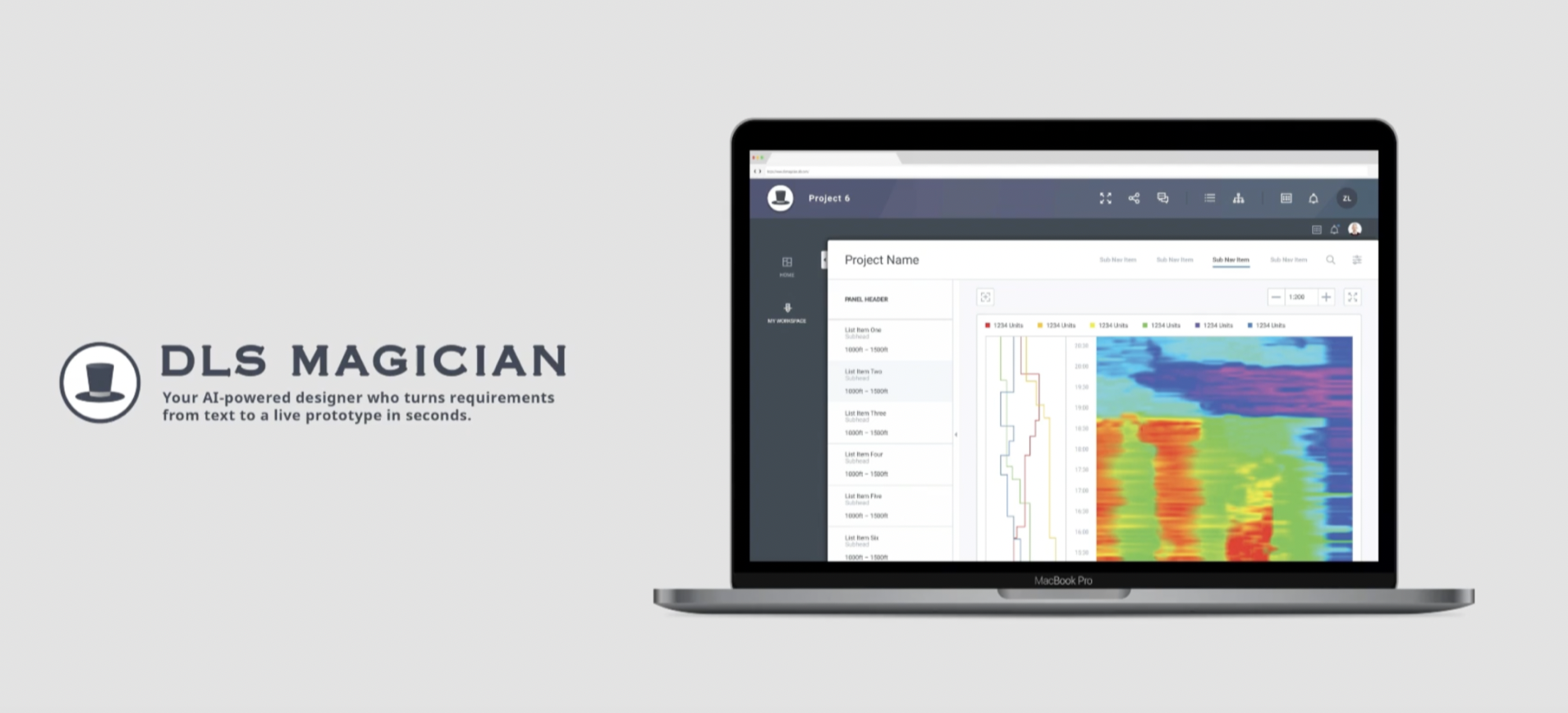
DLS Magician
DLS Magician transformed text-based product requirements into explainable, editable prototypes through an AI-assisted workflow grounded in the design system.
- Problem
- E&P product teams relied on text-heavy requirements, while product owners needed visual prototypes earlier to align stakeholders and validate direction.
- Role
- Designed the AI-assisted workflow connecting product-owner user stories, natural-language interpretation, DLS component logic, and generated prototype output, with the AI’s reasoning visible at every step.
- Design decision
- Created a structured translation layer between natural-language requirements and DLS components, making generated prototypes explainable, editable, and aligned with platform conventions.
- Research
- Reviewed 30 internal project records, surveyed product owners, and interviewed cross-functional participants across the US, Germany, UK, and Malaysia.
- Impact
- Reduced manual prototyping effort by 45%, enabling teams to move from text requirements to reviewable prototypes in minutes instead of weeks while making AI-generated output easier to inspect, discuss, and refine before engineering investment.